Panchakarma
Rs. 500.00
Panchakarma
Panchakarma is a profound Ayurvedic detoxification and rejuvenation therapy that aims to cleanse the body of deep-rooted toxins (known as "ama") and restore balance to the three doshas: Vata, Pitta, and Kapha.
It is considered one of the cornerstone therapies in Ayurveda, the ancient Indian system of medicine.
What is Panchakarma?
"Pancha" = five
"Karma" = actions or procedures
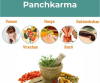
Panchakarma refers to five therapeutic treatments designed to cleanse the body of toxins and rejuvenate it at the cellular level.
The 5 Main Panchakarma Procedures
1. Vamana (Therapeutic Emesis)
Induces controlled vomiting to eliminate excess Kapha from the stomach and respiratory tract.
Useful for allergies, asthma, and chronic congestion.
2. Virechana (Purgation Therapy)
Uses herbal laxatives to cleanse the intestines and eliminate excess Pitta from the liver and gallbladder.
Effective for skin disorders, acidity, and liver issues.
3. Basti (Medicated Enema Therapy)
Herbal oils or decoctions are administered rectally to remove accumulated Vata from the colon.
Helps with arthritis, constipation, and neurological disorders.
4. Nasya (Nasal Administration)
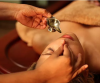
Medicated oils or powders are applied through the nose to cleanse and rejuvenate the sinuses and brain.
Useful for migraines, sinusitis, and mental clarity.
5. Raktamokshana (Bloodletting)
Controlled removal of small quantities of blood to detoxify and balance Pitta and improve skin health.
Used selectively in cases of skin disease, gout, or blood toxicity.
Pre- and Post-Therapies
Before the main Panchakarma procedures, the body is prepared through:
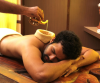
Snehana (Oleation) – internal and external application of oils to loosen toxins
Swedana (Sudation) – herbal steam to promote sweating and detoxification
After the main therapies, a post-Panchakarma diet and lifestyle routine (called Samsarjana Krama) is followed to gradually restore digestion and strength.
Benefits of Panchakarma
Deep detoxification at a cellular level
Balancing of doshas
Enhanced digestion and metabolism (Agni)
Improved mental clarity and emotional well-being
Strengthens the immune system
Slows aging and enhances vitality
Who Should Avoid It?
Pregnant women
Very elderly or very weak individuals
Acute illness or infections
During menstruation or after recent surgeries
Always undergo Panchakarma under the supervision of a qualified Ayurvedic doctor, ideally in a certified Ayurvedic center.
Would you like a sample Panchakarma schedule, advice on home-based mini-detoxes, or help finding an authentic center?